NYPL Reference Letters — Service to Incarcerated People
NYPL Reference Letters — Service to Incarcerated People
Date
Fall 2024
Fall 2024
Professor
Project Link
Google Drive
Project Description
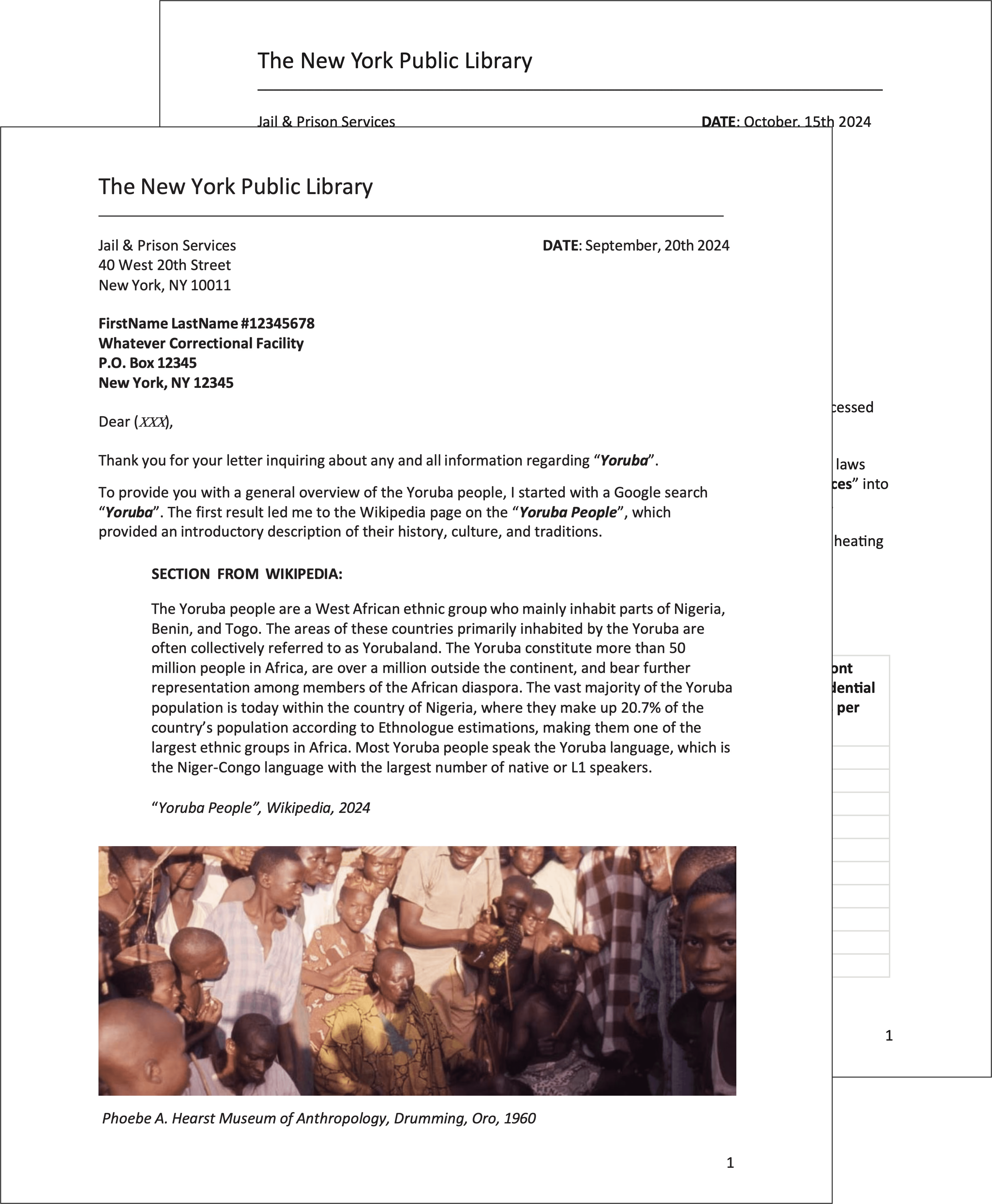
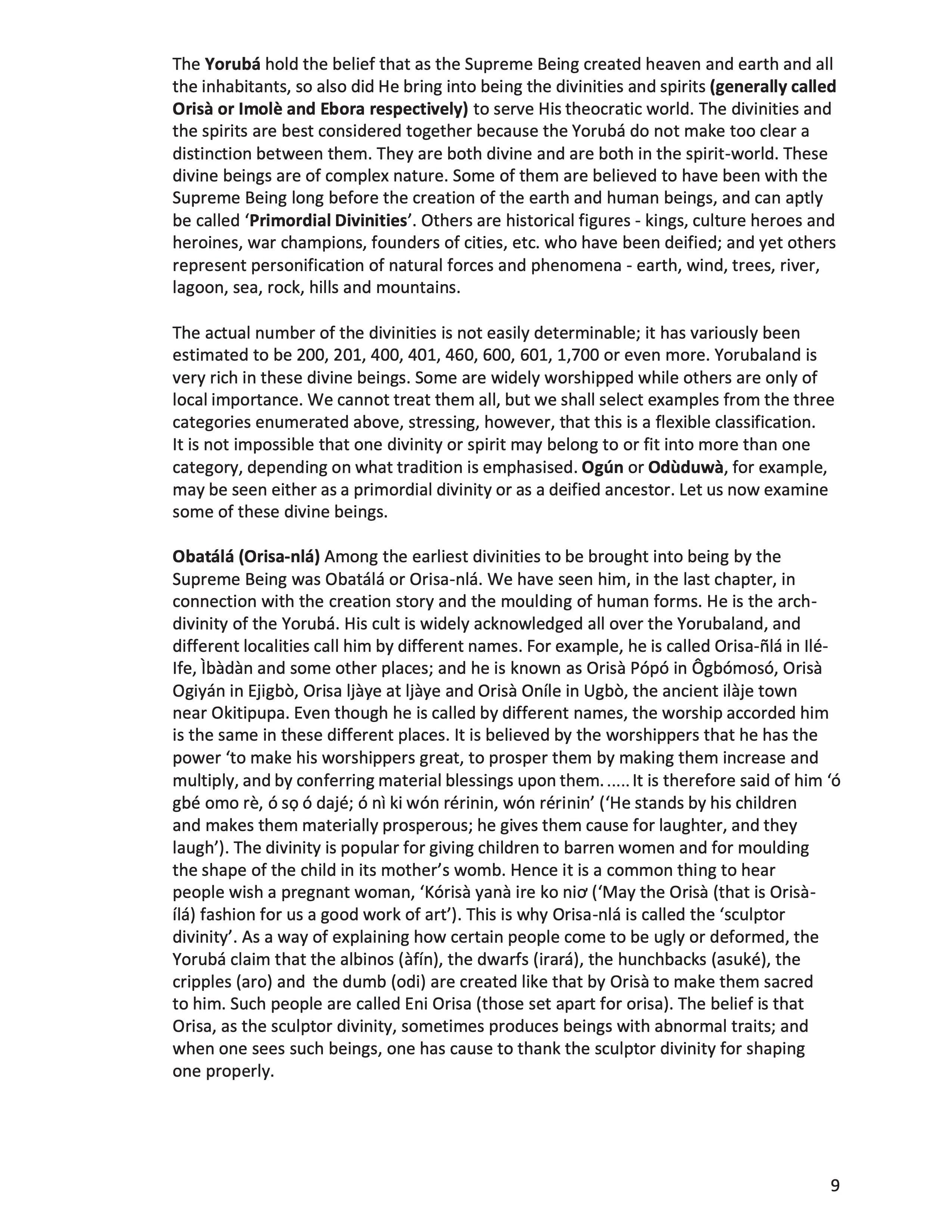
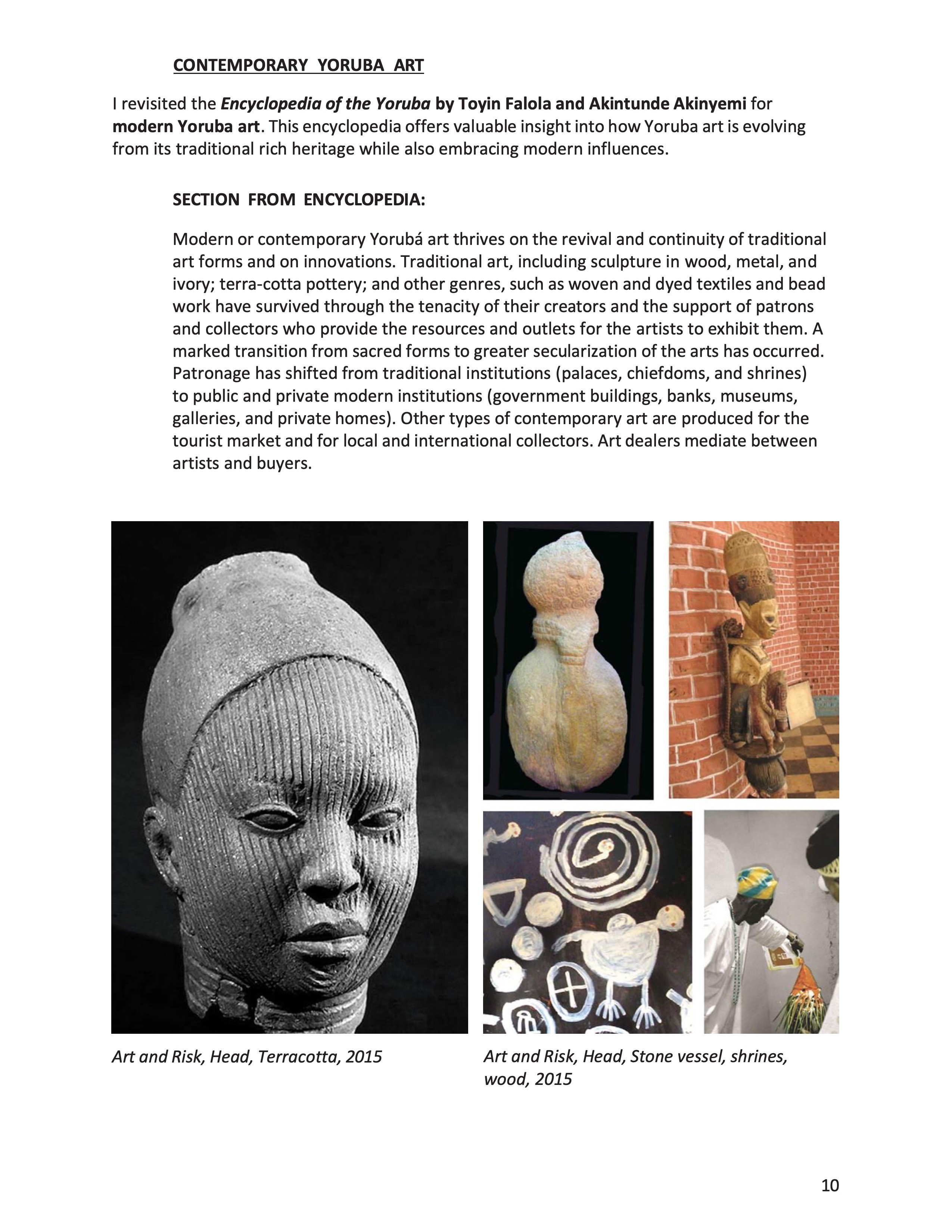
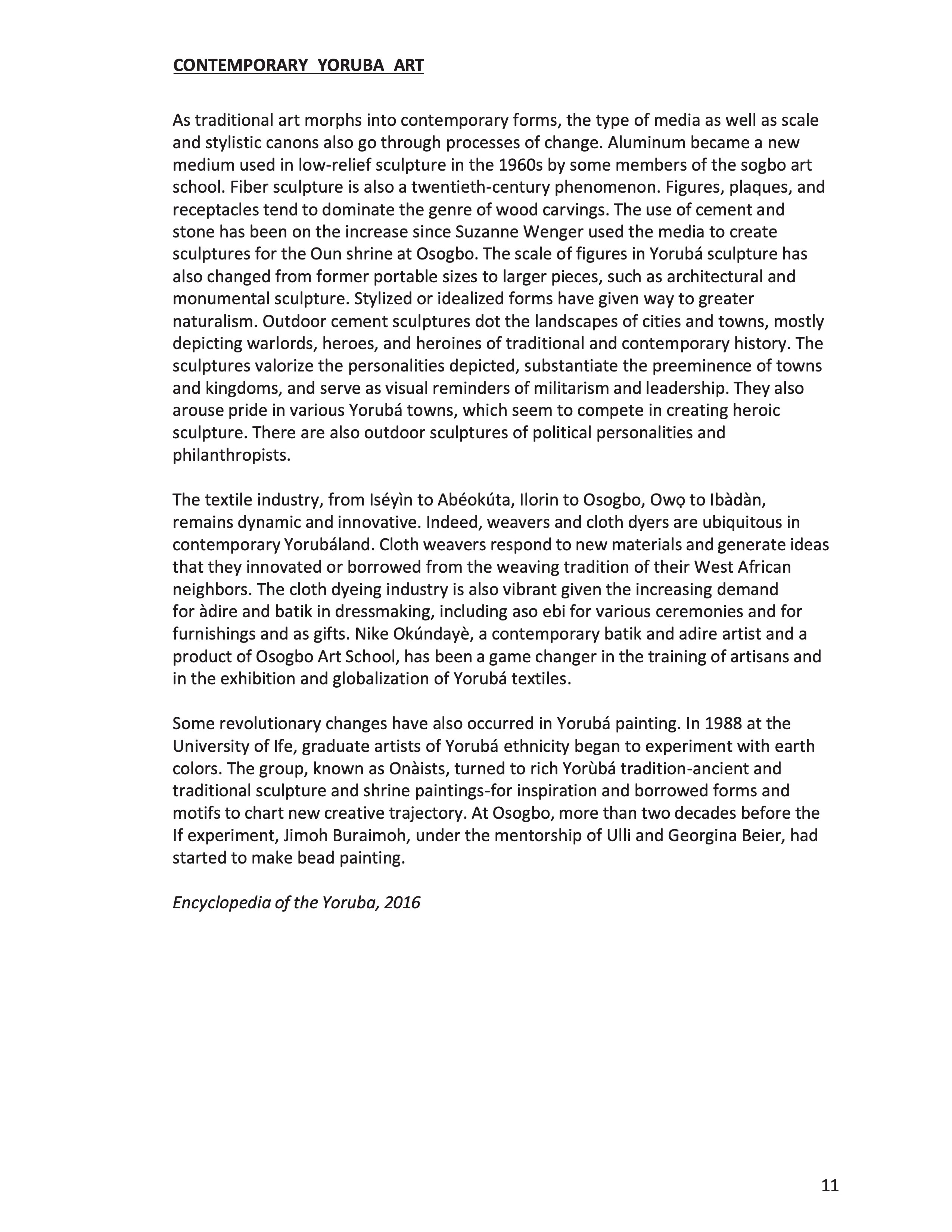
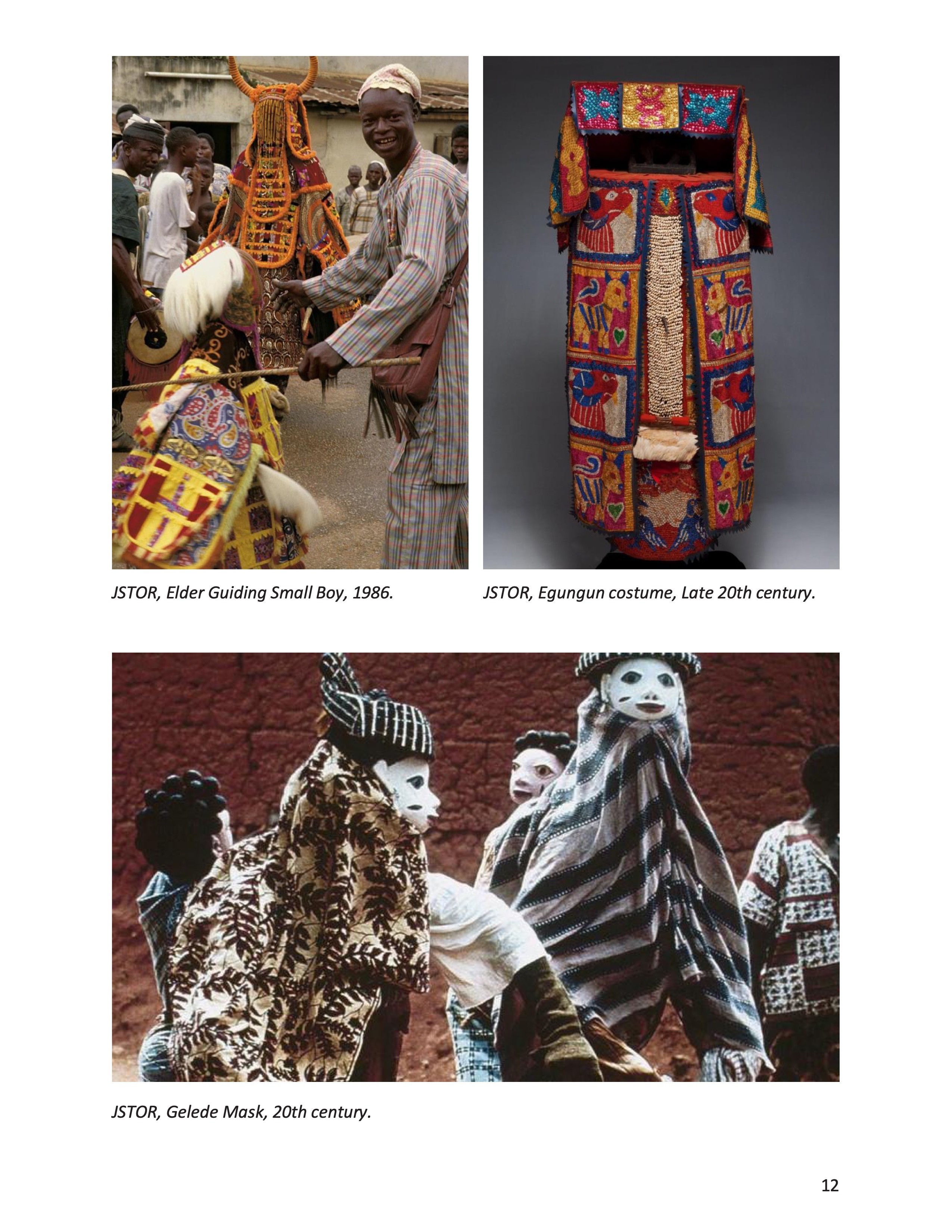
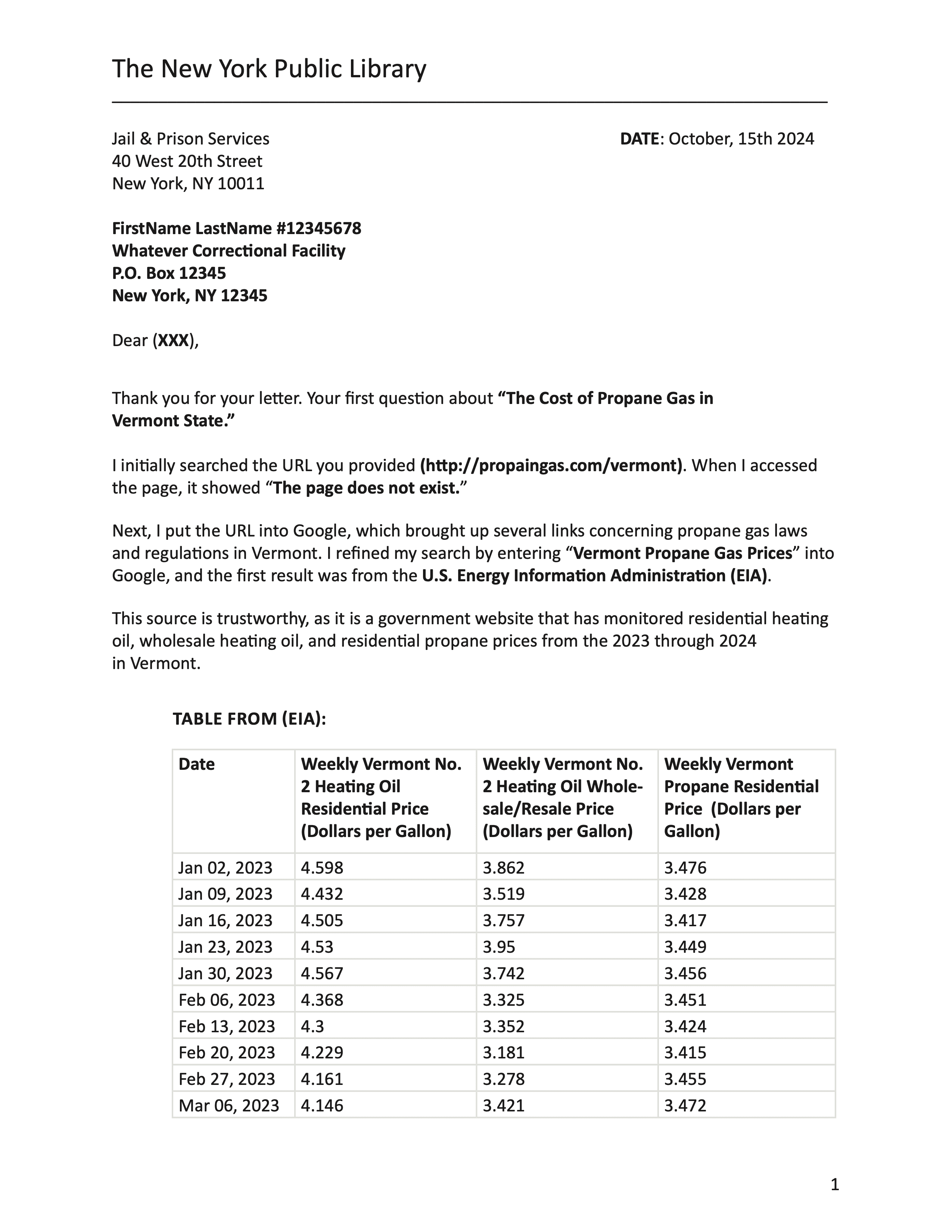
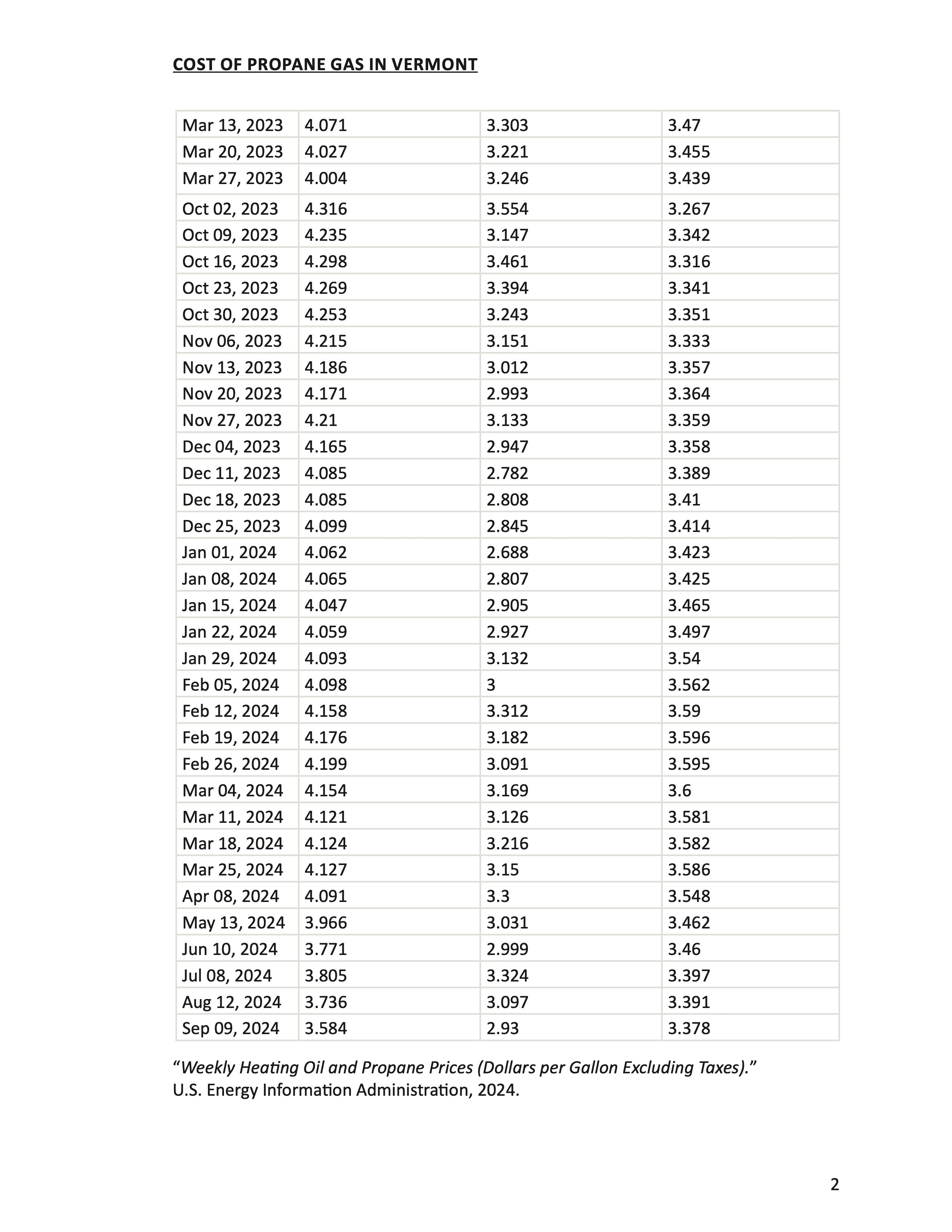
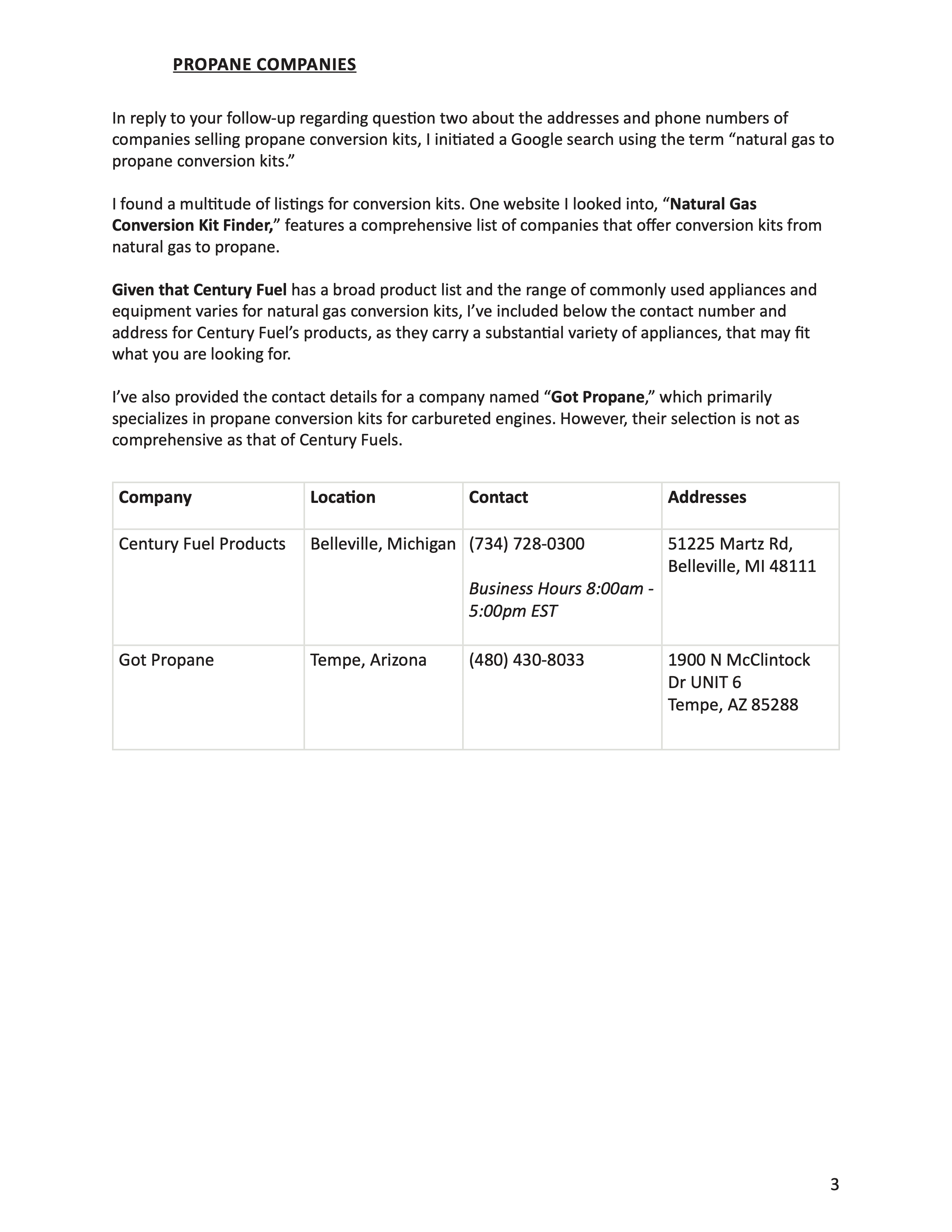
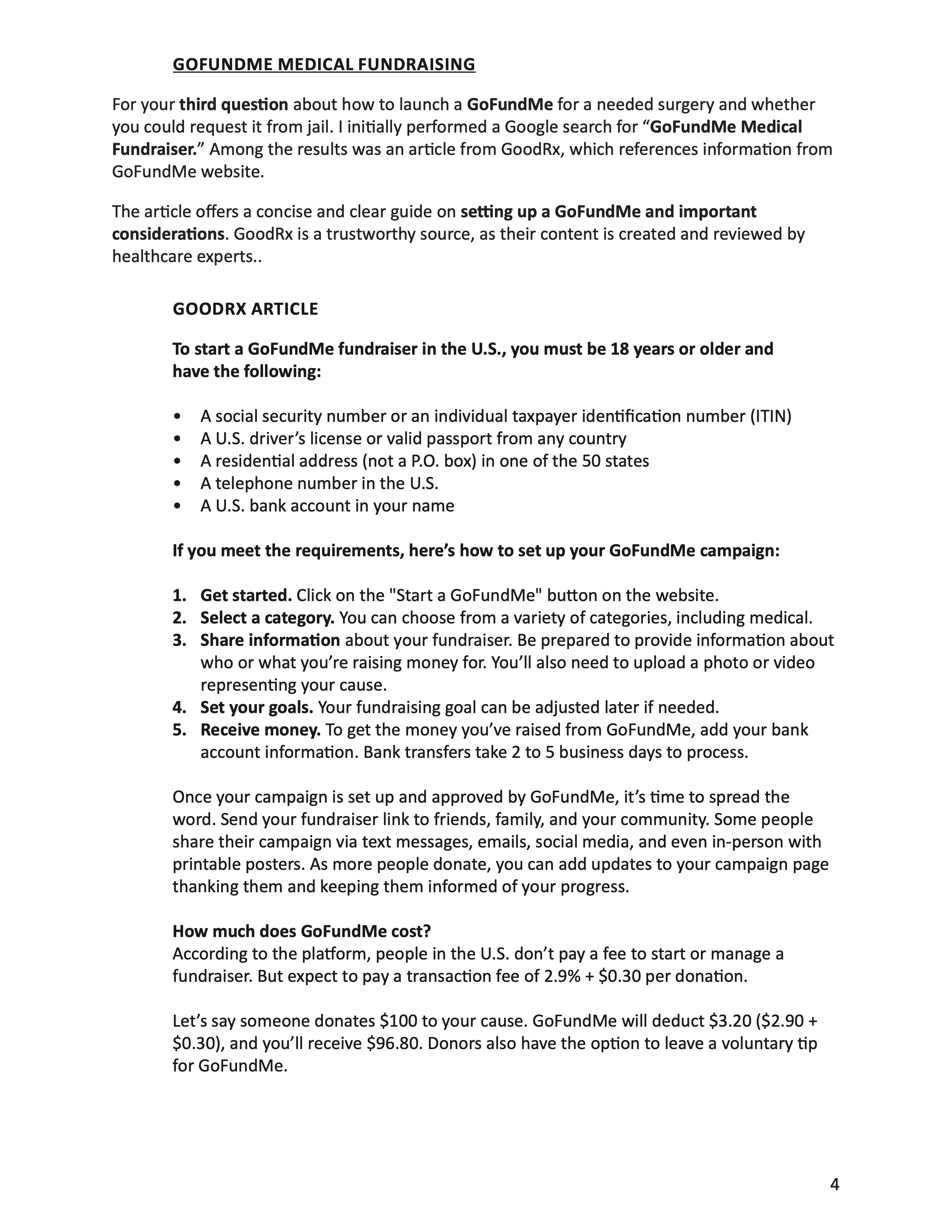
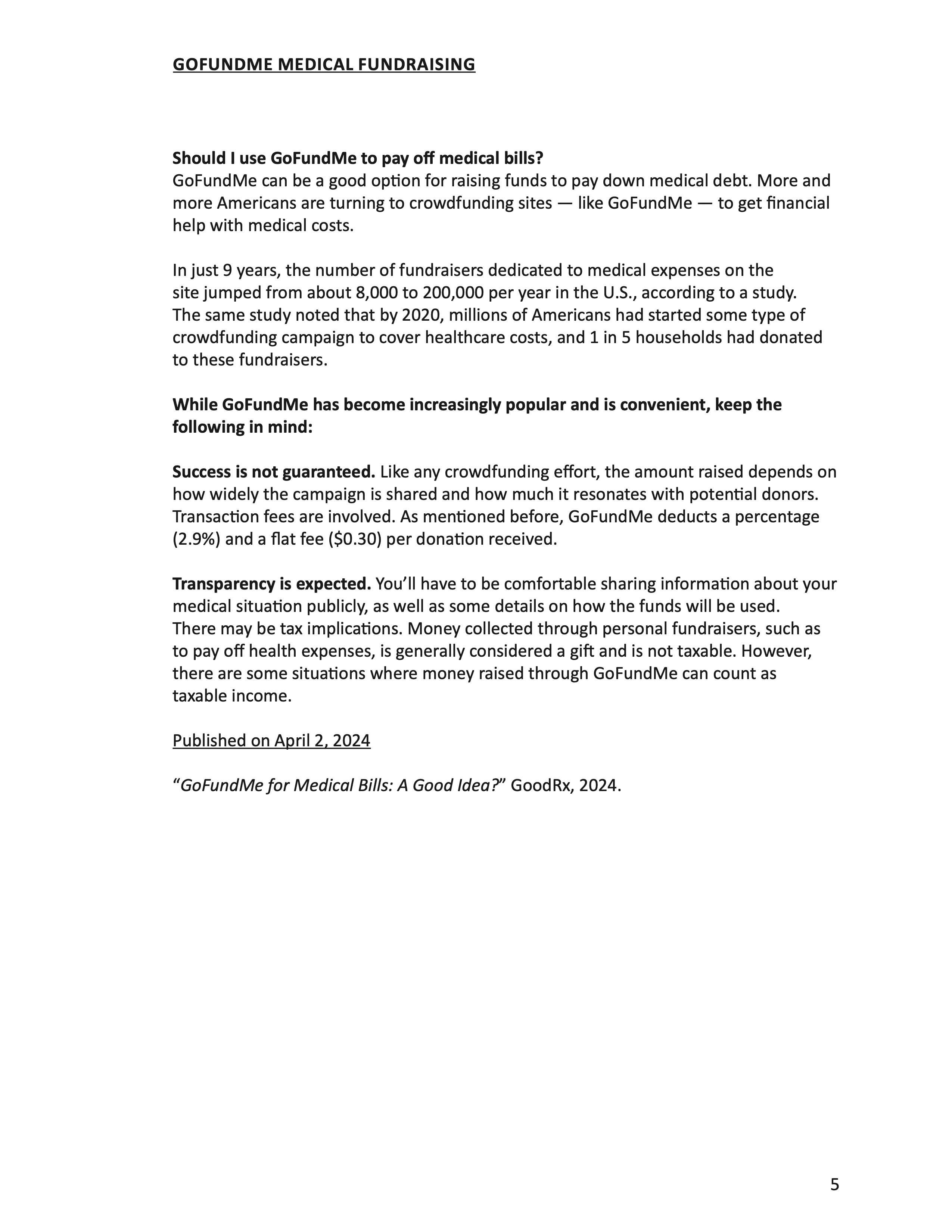
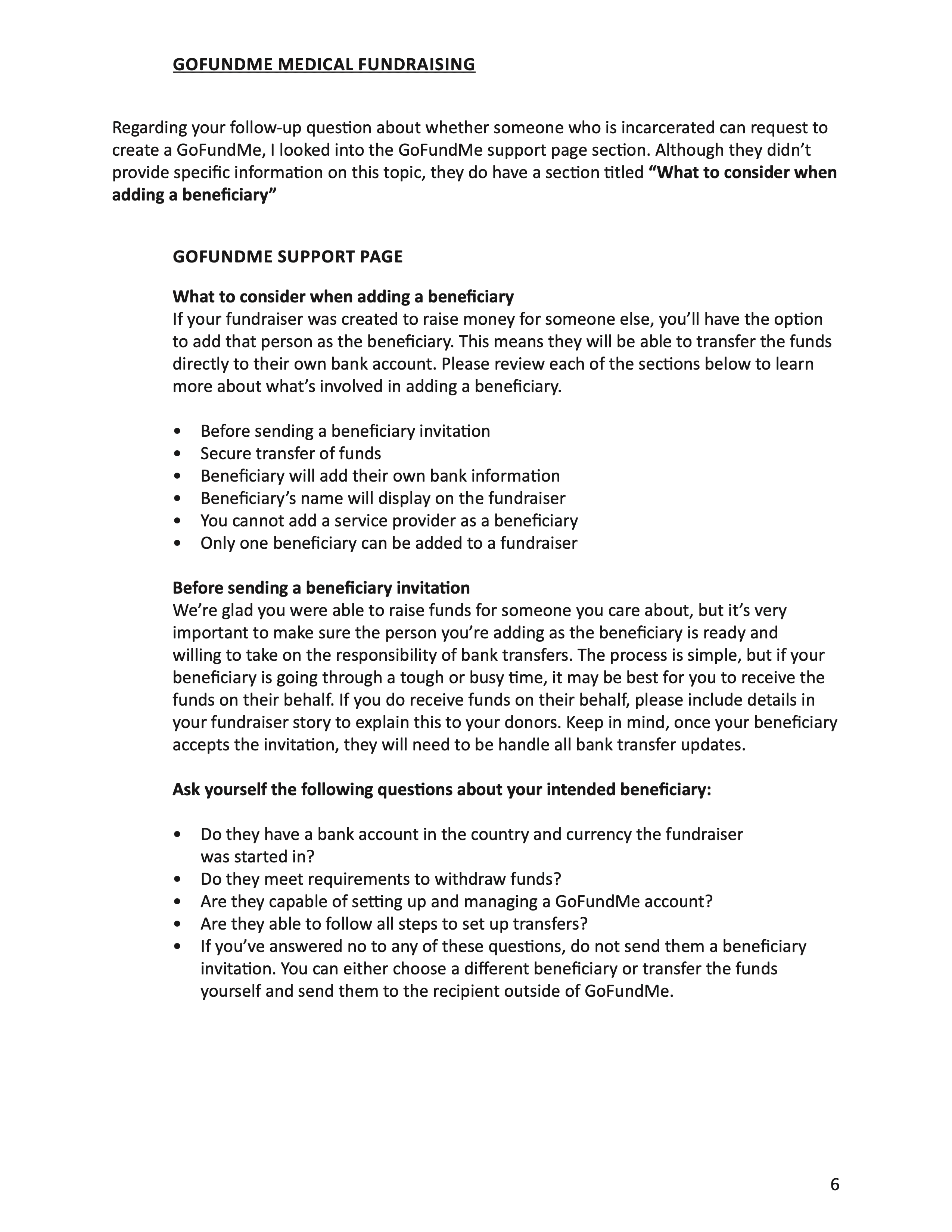
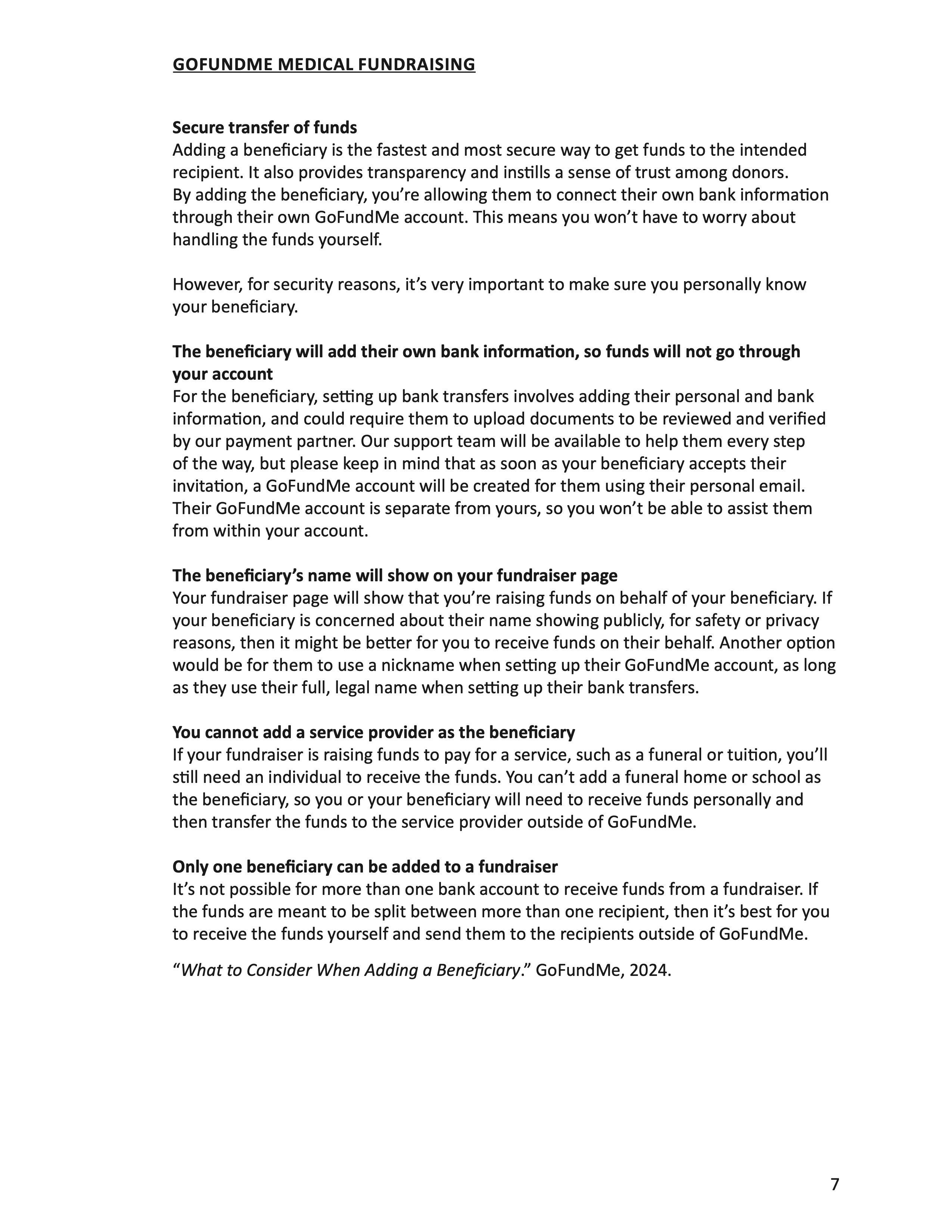
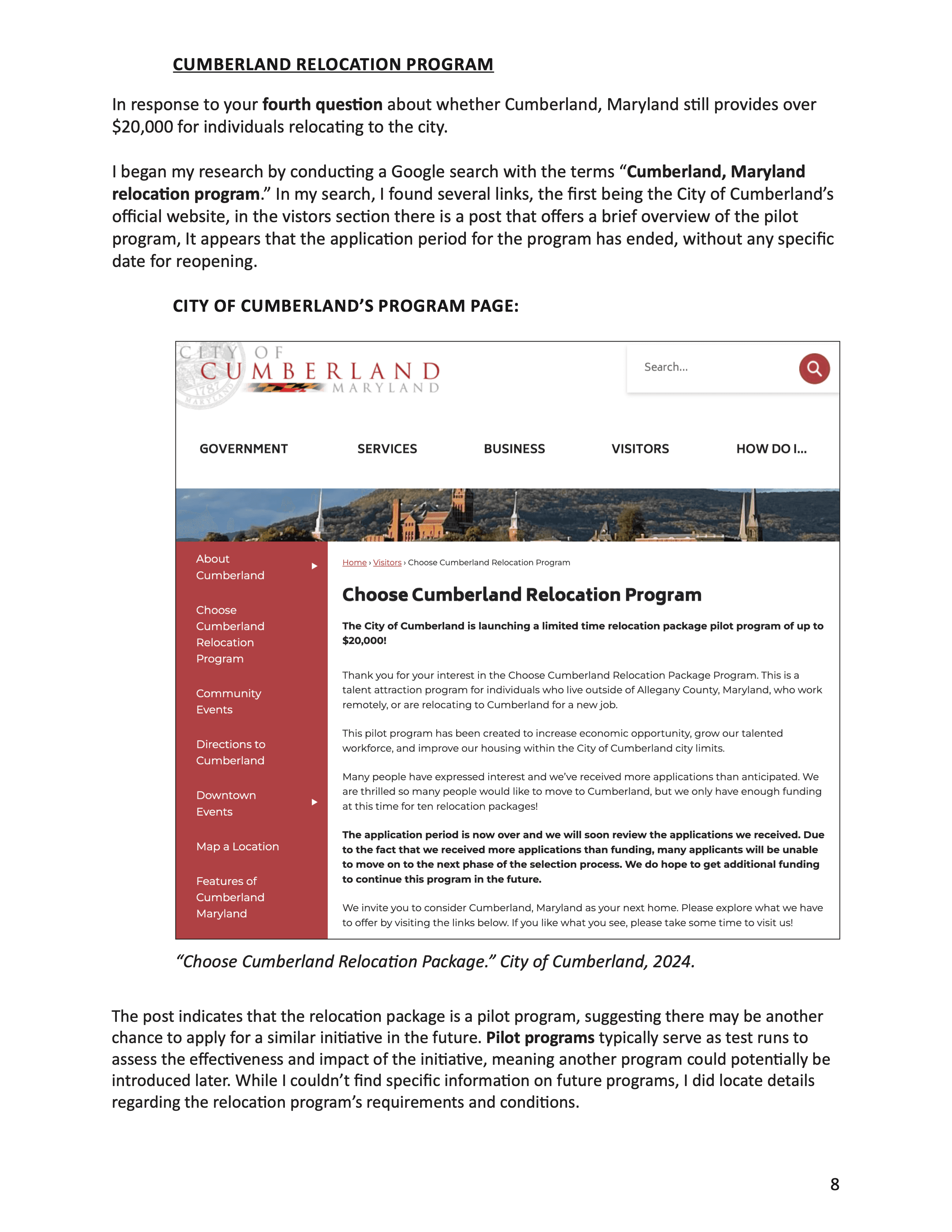
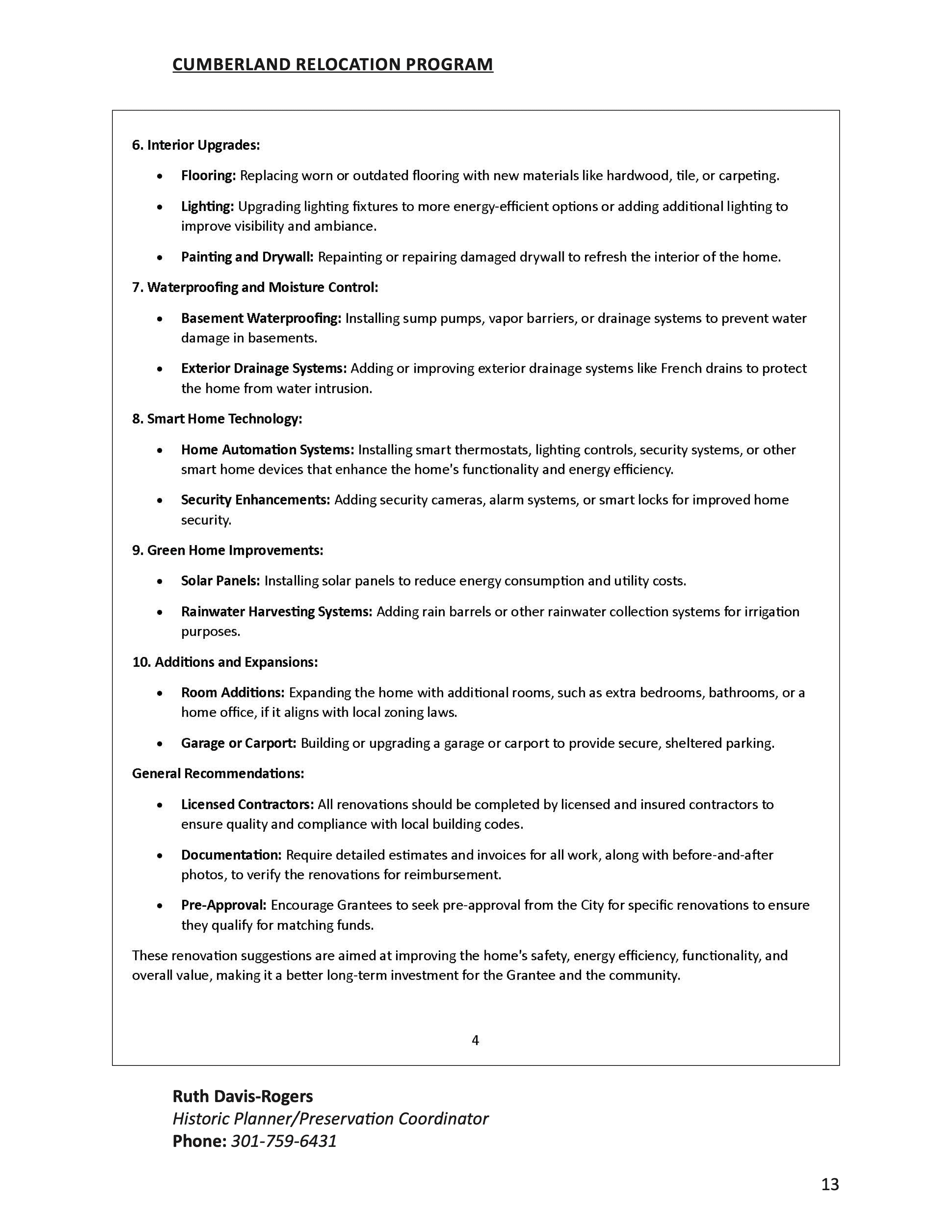
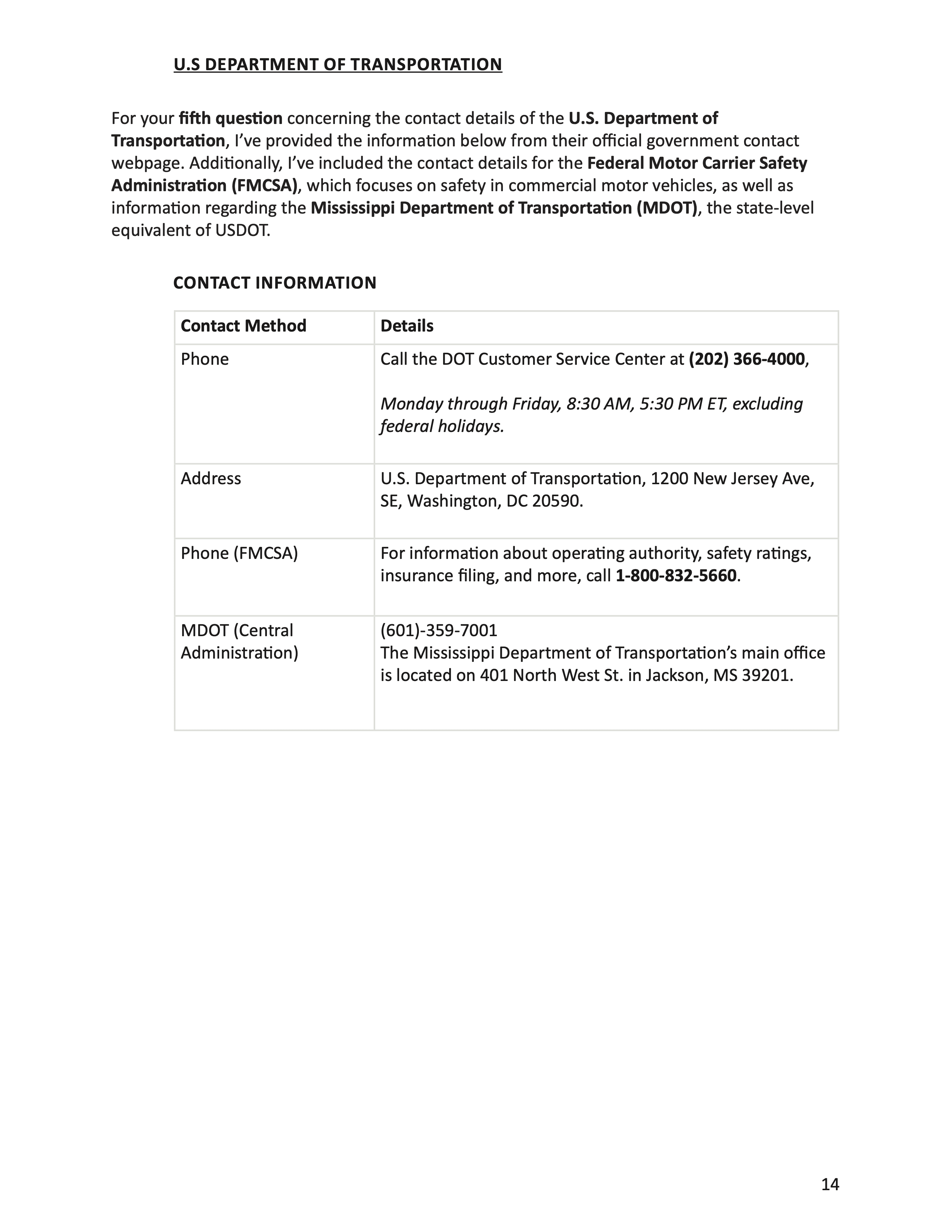
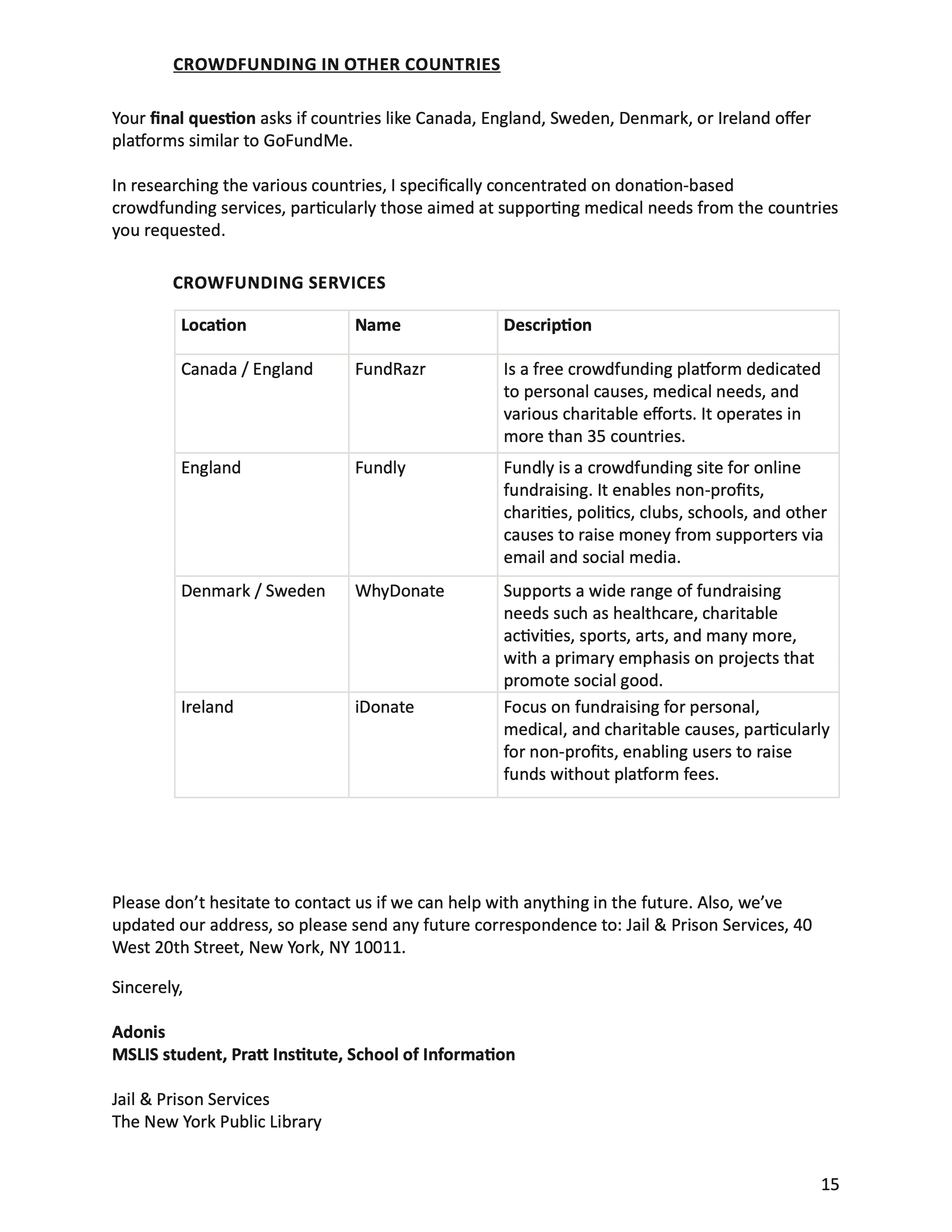
This semester-long project for INFO-652: Reference and Instruction, in collaboration with the New York Public Library's Jail and Prison Services, enabled us to directly support incarcerated individuals by answering their reference questions. Our responses, informed by research using Pratt’s library database and other resources, provided essential information tailored to each patron's specific needs.
Methods
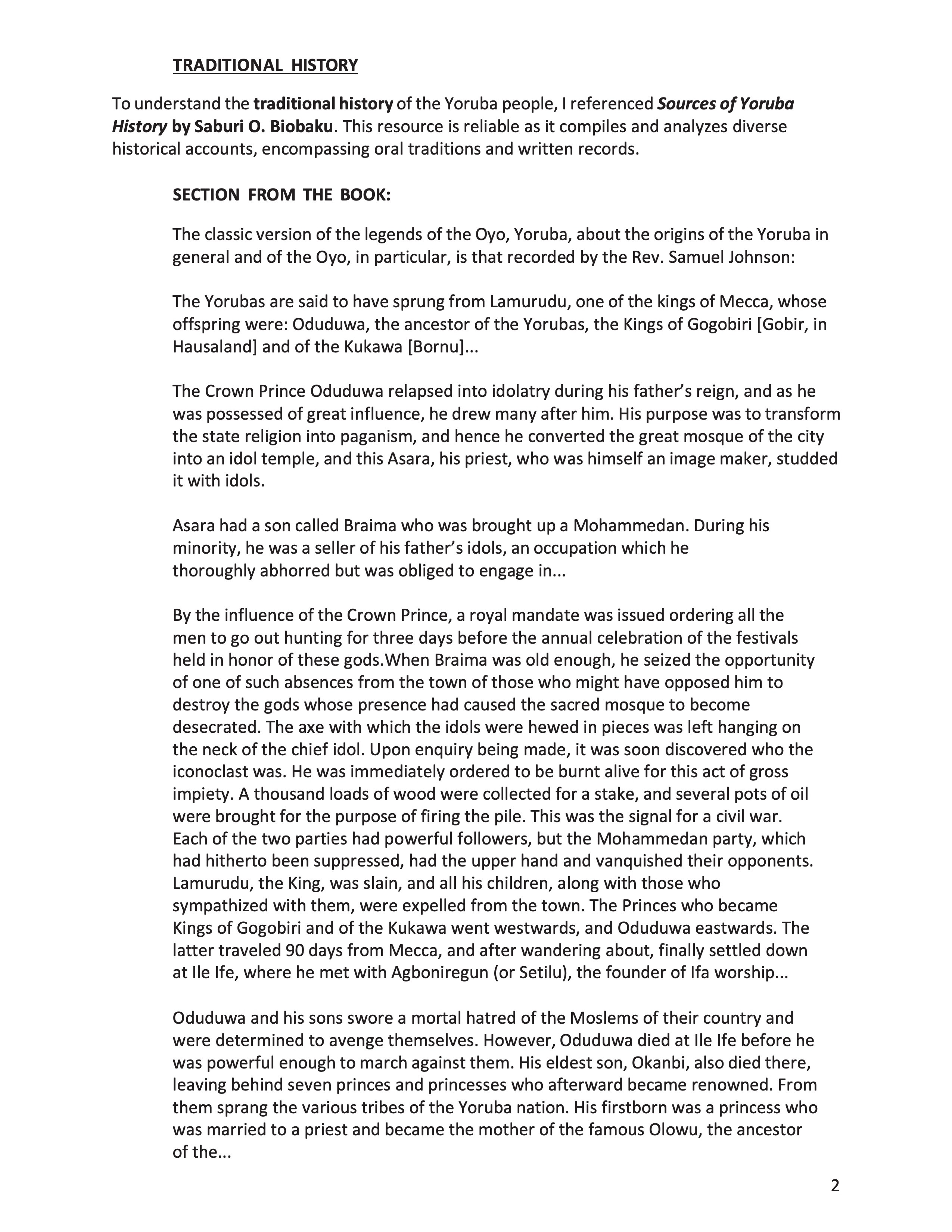
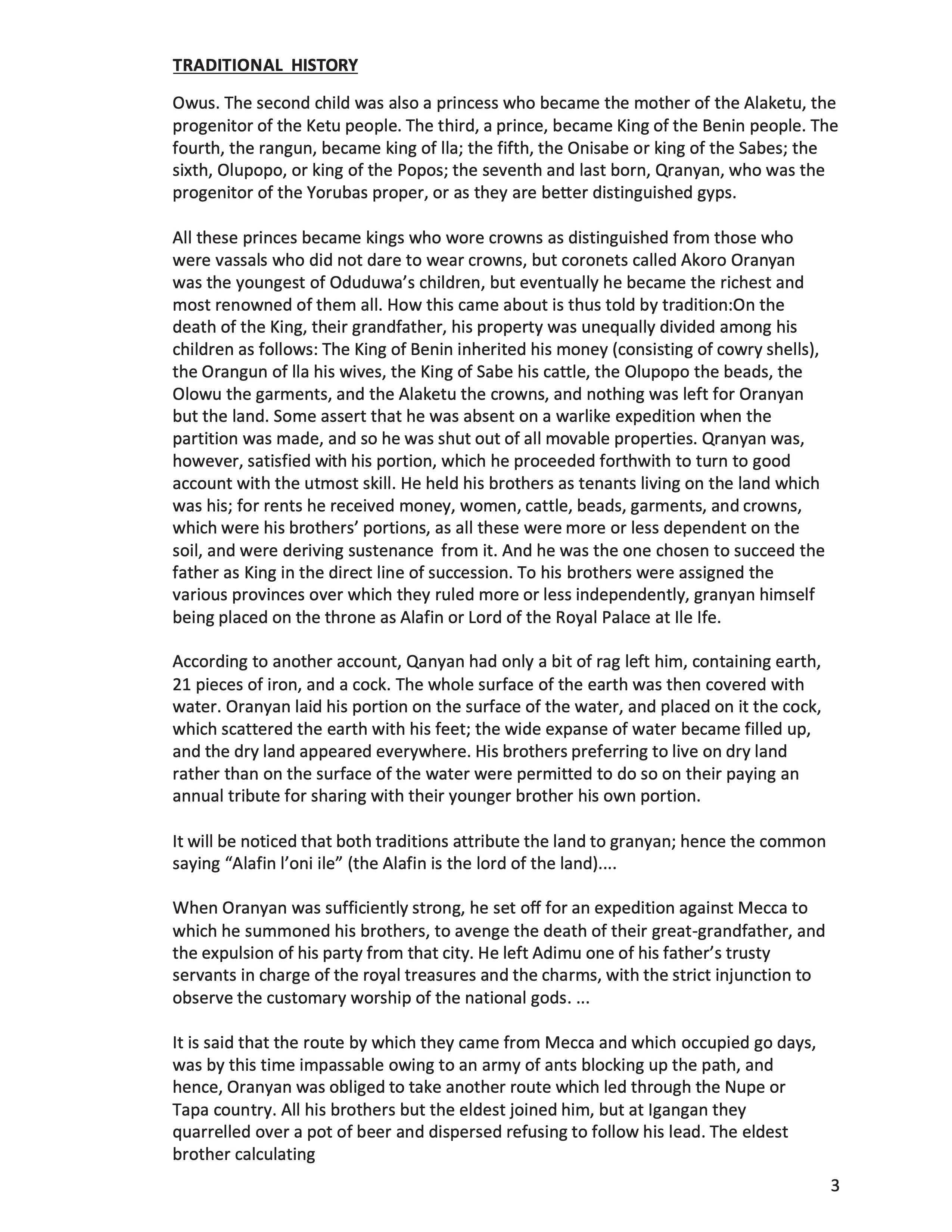
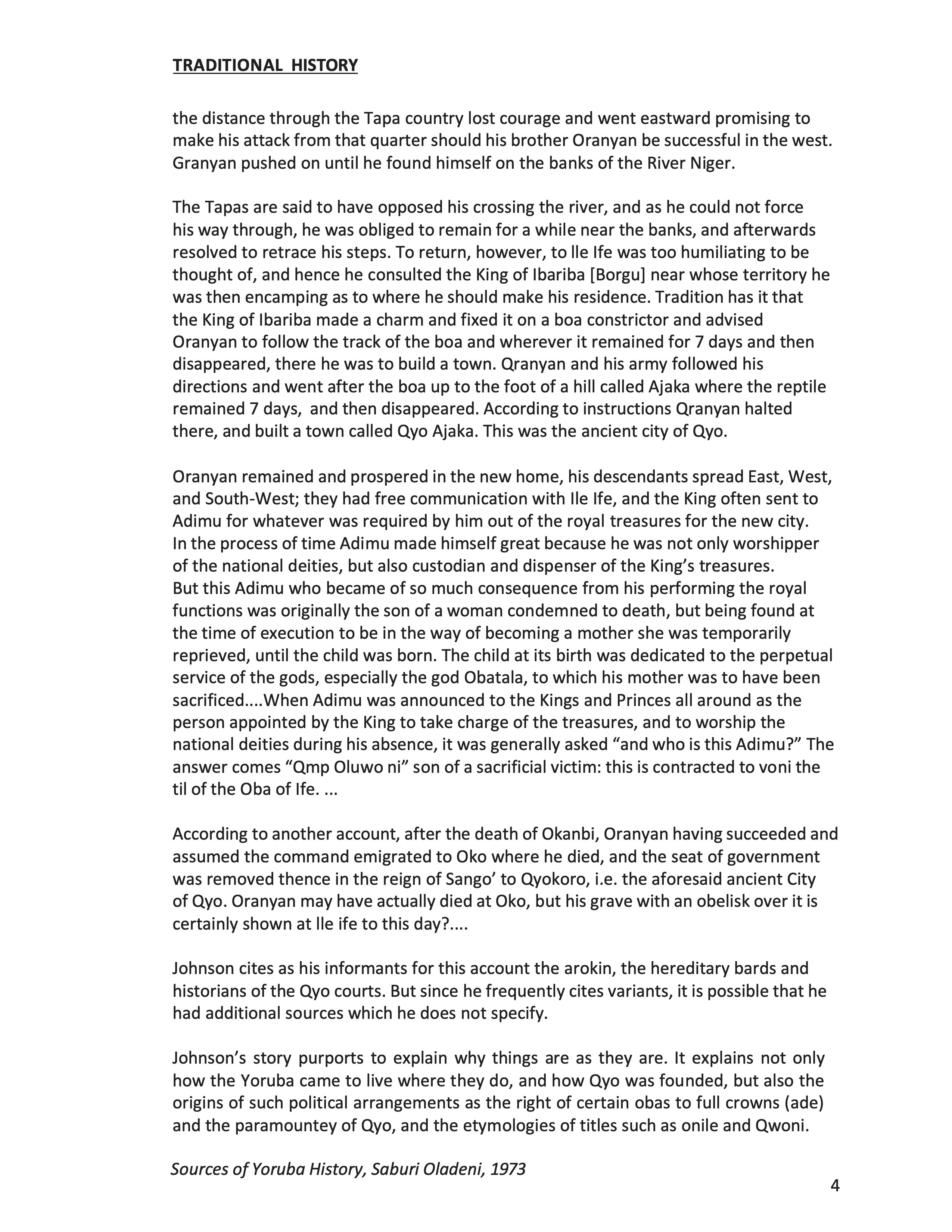
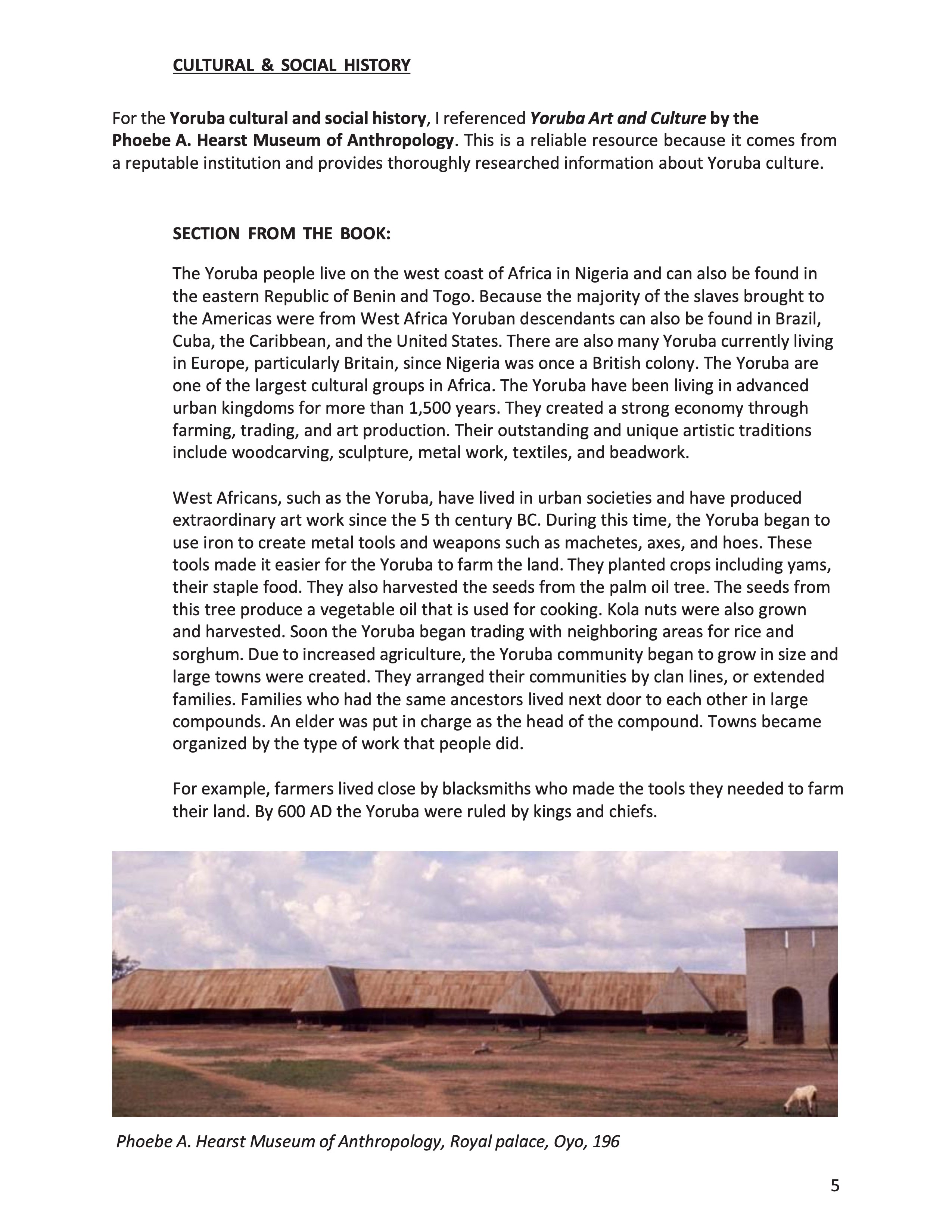
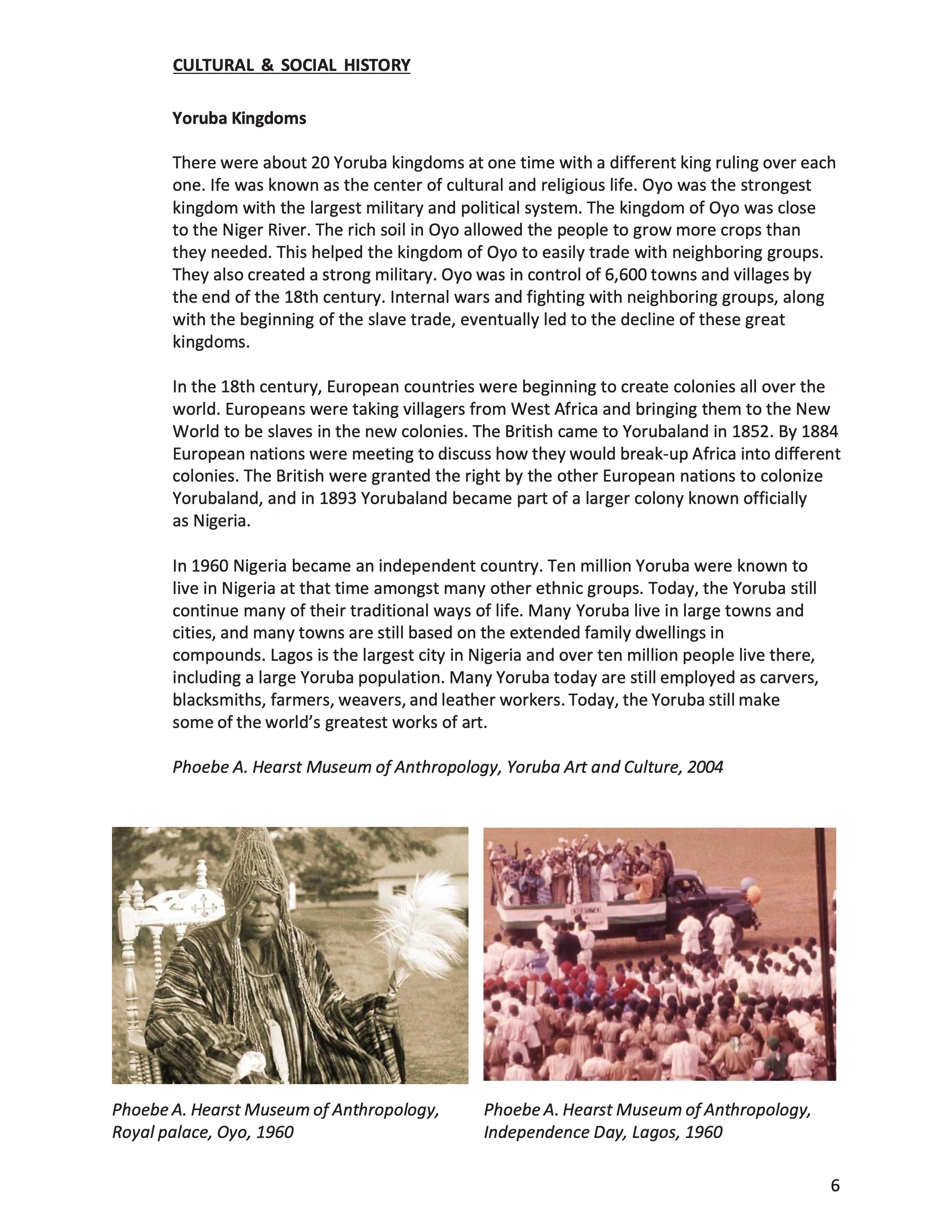
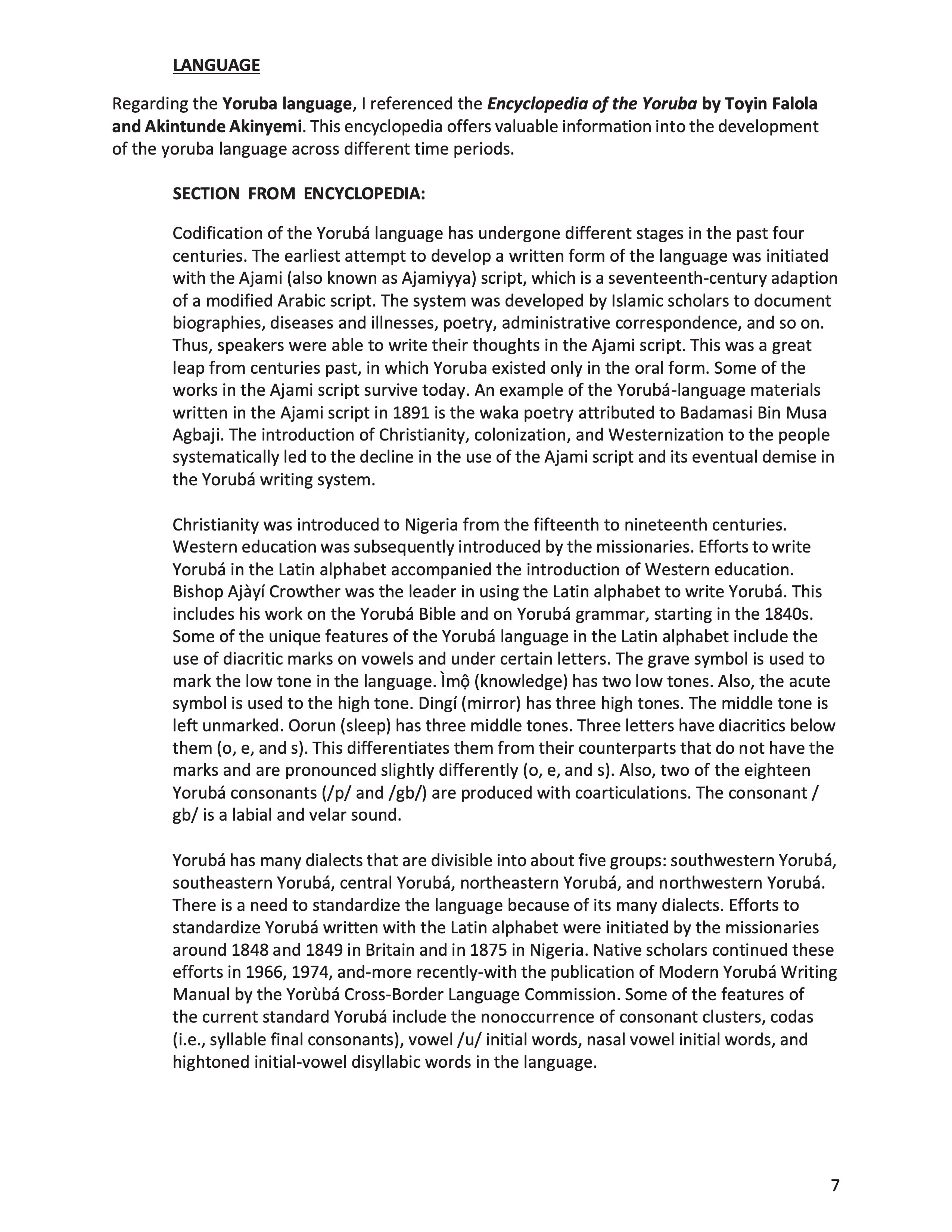
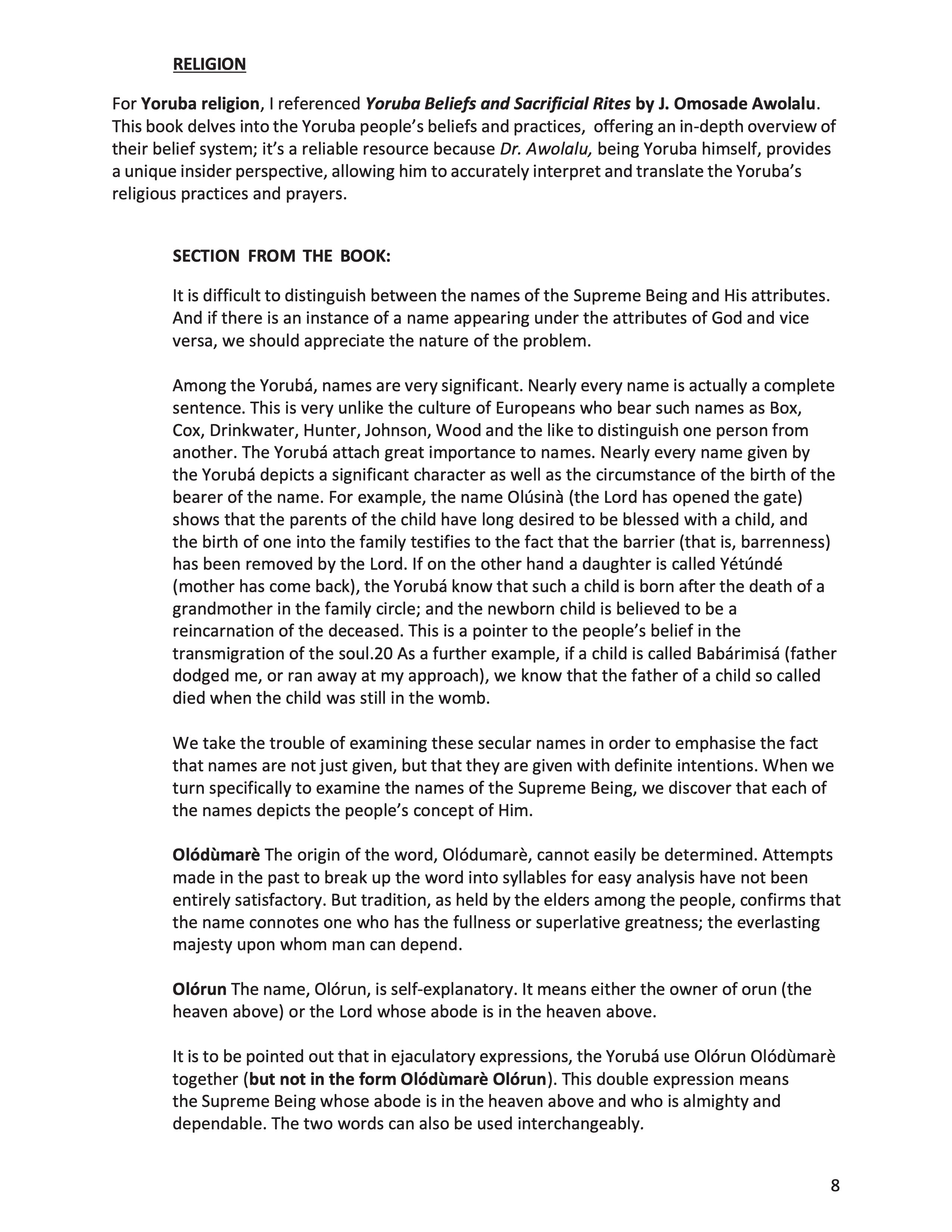
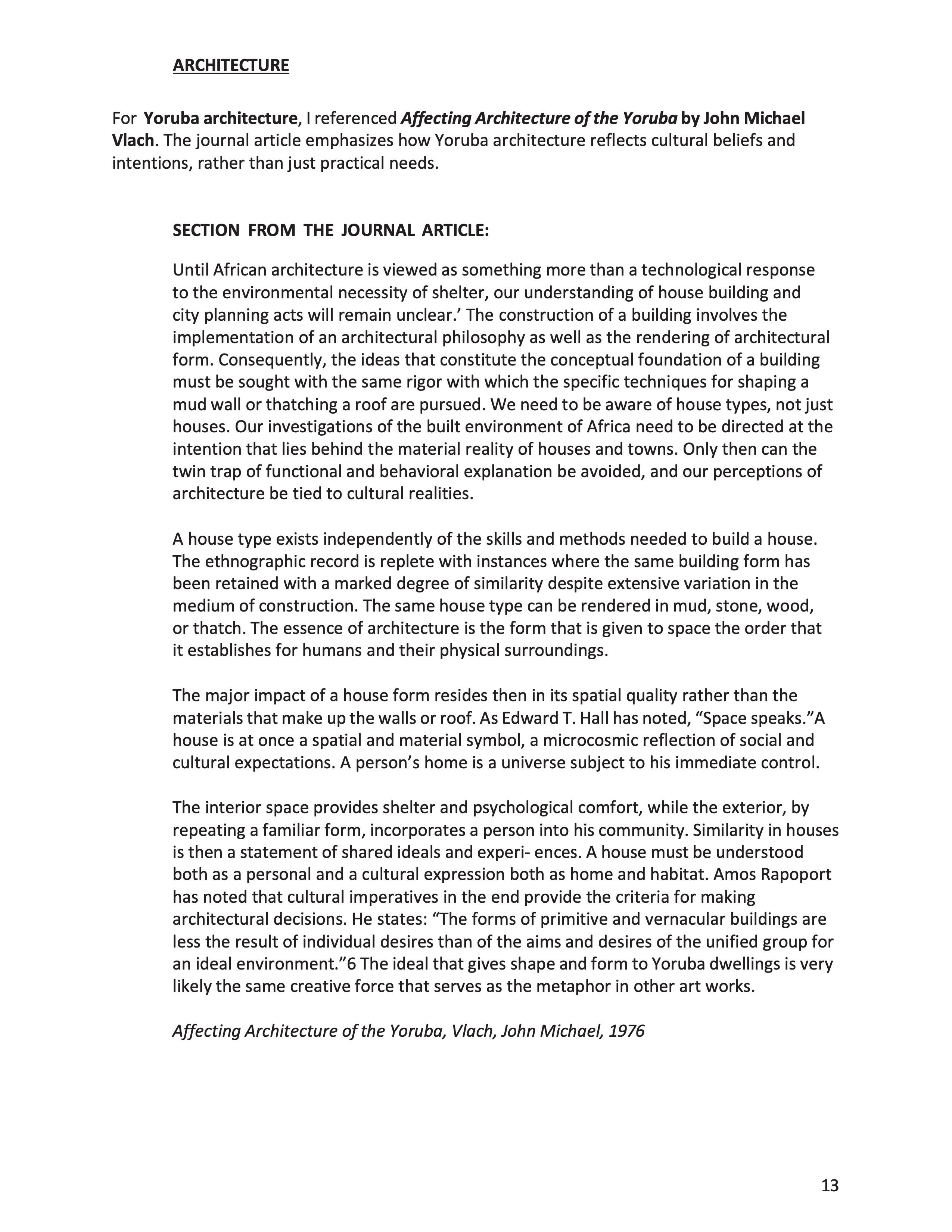
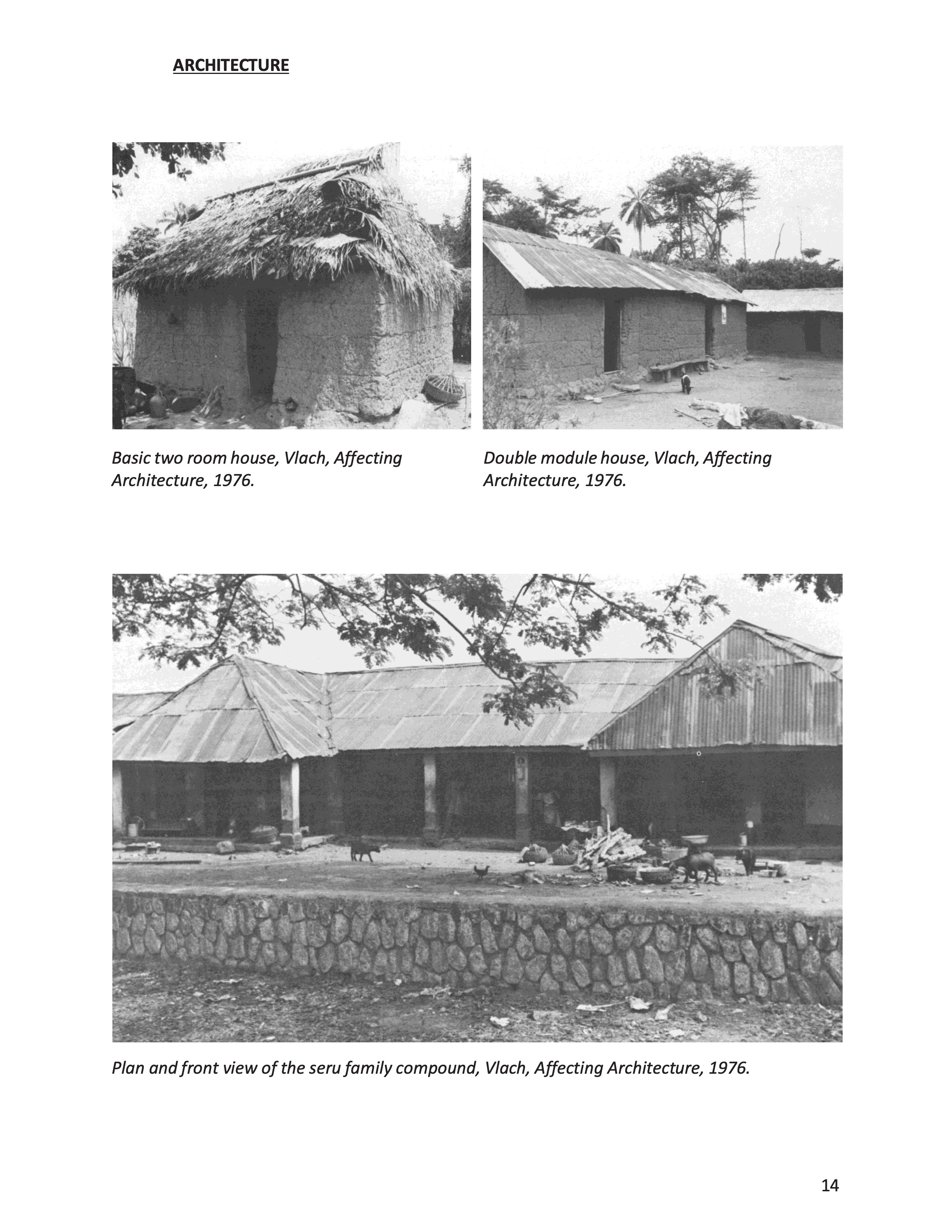
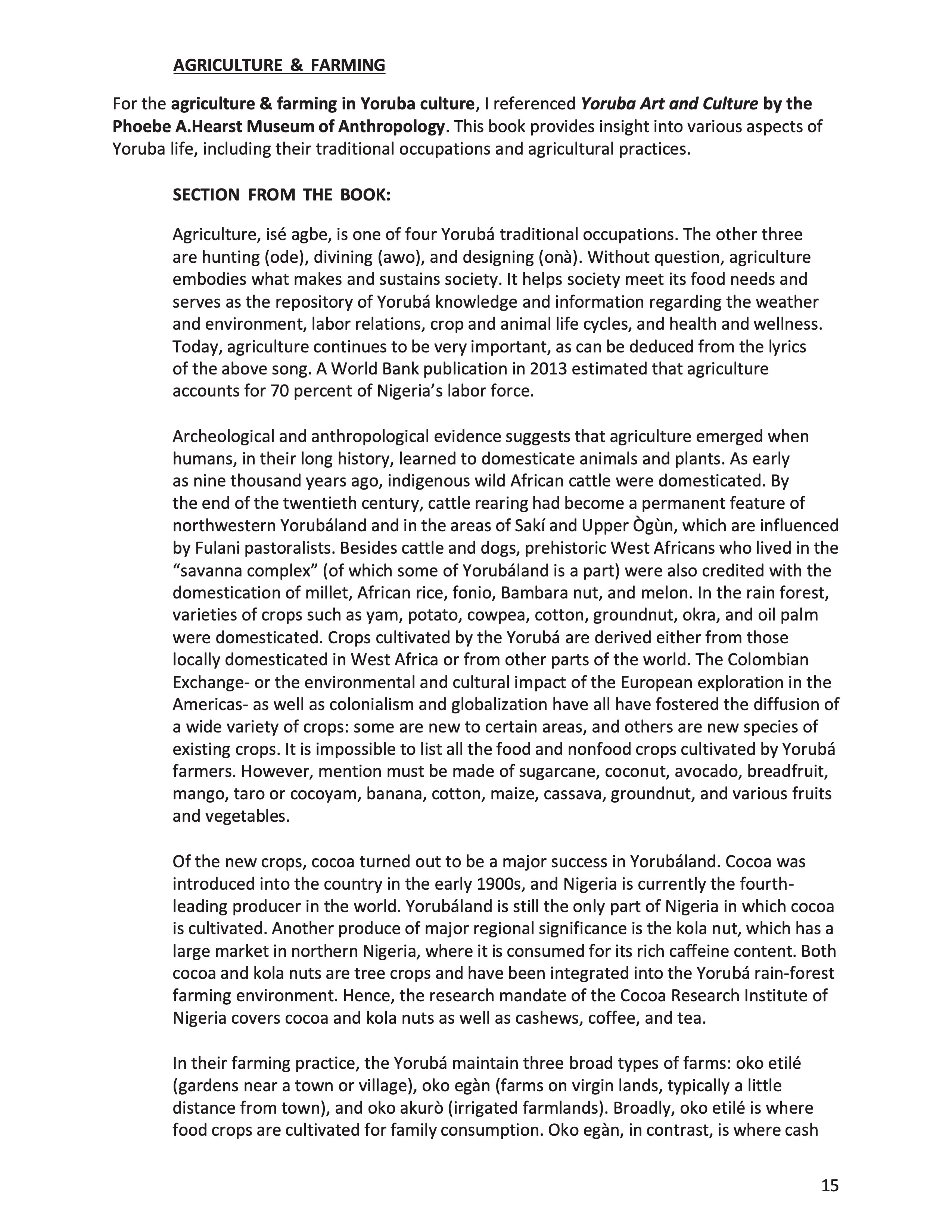
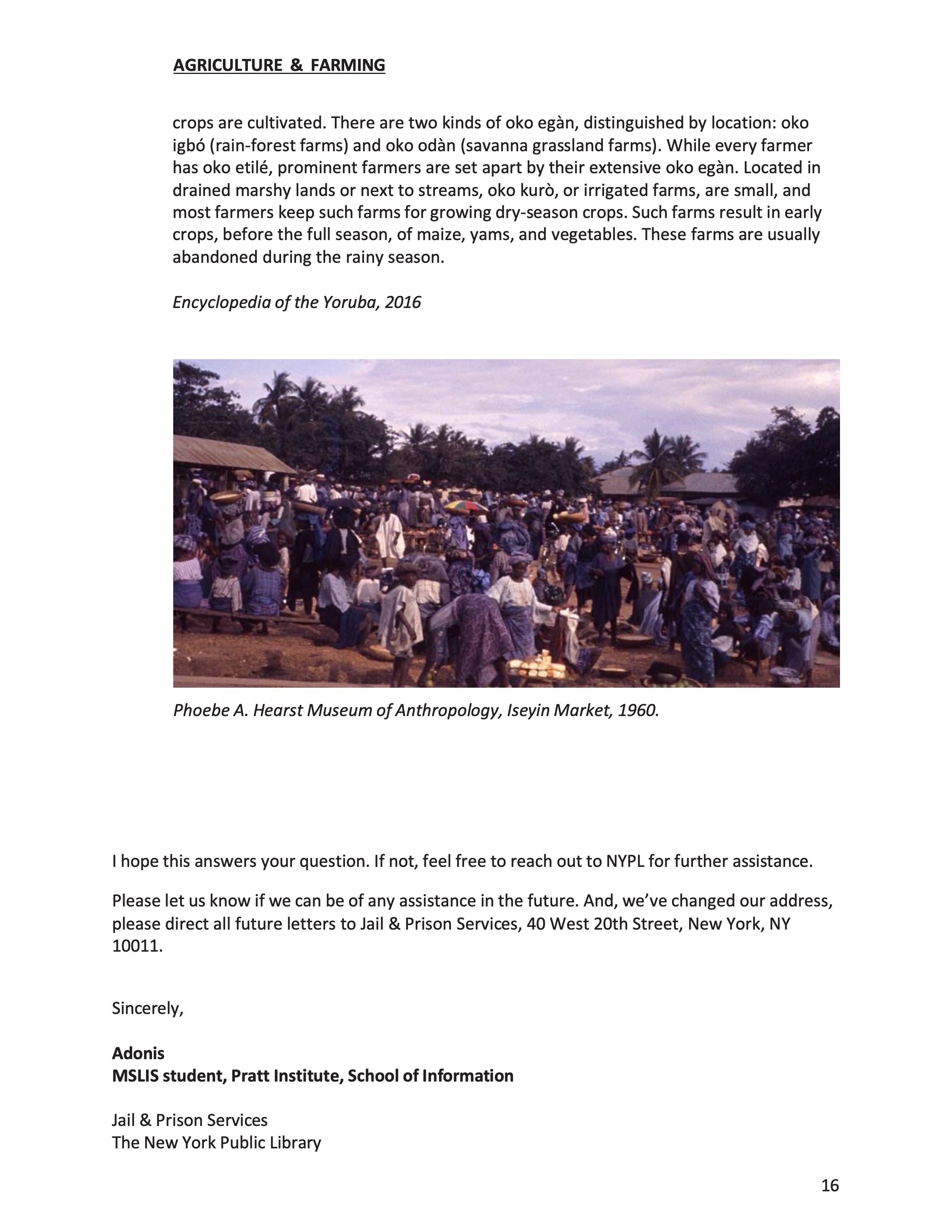
In responding to three letters, careful evaluation of the quality and origin of resources was prioritized. As the letters arrived gradually throughout the semester, each one informed the next. For example, the first letter requested all available information on Yoruba. During the initial research phase, challenges arose in finding detailed information about the Yoruba language, which led to a focus on materials authored by Yoruba scholars to ensure accuracy, cultural representation, and depth of understanding. Once all necessary materials for each letter were collected, the content was reorganized for clarity. Concise summaries were prepared for each resource, and sources for all imagery were cited. Attention was given to how patrons would interact with the letters, emphasizing accessible formatting and thorough information for each question. Throughout the process, the credibility of each source was verified to ensure adherence to NYPL guidelines.
Role & Contributions
I completed this project independently and am its sole author.
Learning Outcome
User-Centered Services
Rationale
Writing these letters taught me that reference services for incarcerated individuals matter precisely because they're often someone's only access to reliable information, legal, medical, and practical. The work sharpened my ability to locate trustworthy sources and translate them into answers that don't assume prior knowledge. It also made the stakes of information literacy feel concrete: when someone can't verify a resource themselves, how you present it matters as much as what you find.
Gallery
Project Description
This semester-long project for INFO-652: Reference and Instruction, in collaboration with the New York Public Library's Jail and Prison Services, enabled us to directly support incarcerated individuals by answering their reference questions. Our responses, informed by research using Pratt’s library database and other resources, provided essential information tailored to each patron's specific needs.
Methods
In responding to three letters, careful evaluation of the quality and origin of resources was prioritized. As the letters arrived gradually throughout the semester, each one informed the next. For example, the first letter requested all available information on Yoruba. During the initial research phase, challenges arose in finding detailed information about the Yoruba language, which led to a focus on materials authored by Yoruba scholars to ensure accuracy, cultural representation, and depth of understanding. Once all necessary materials for each letter were collected, the content was reorganized for clarity. Concise summaries were prepared for each resource, and sources for all imagery were cited. Attention was given to how patrons would interact with the letters, emphasizing accessible formatting and thorough information for each question. Throughout the process, the credibility of each source was verified to ensure adherence to NYPL guidelines.
Role & Contributions
I completed this project independently and am its sole author.
Learning Outcome
User-Centered Services
Rationale
Writing these letters taught me that reference services for incarcerated individuals matter precisely because they're often someone's only access to reliable information, legal, medical, and practical. The work sharpened my ability to locate trustworthy sources and translate them into answers that don't assume prior knowledge. It also made the stakes of information literacy feel concrete: when someone can't verify a resource themselves, how you present it matters as much as what you find.
Gallery